What fill dirt actually costs in Forsyth County
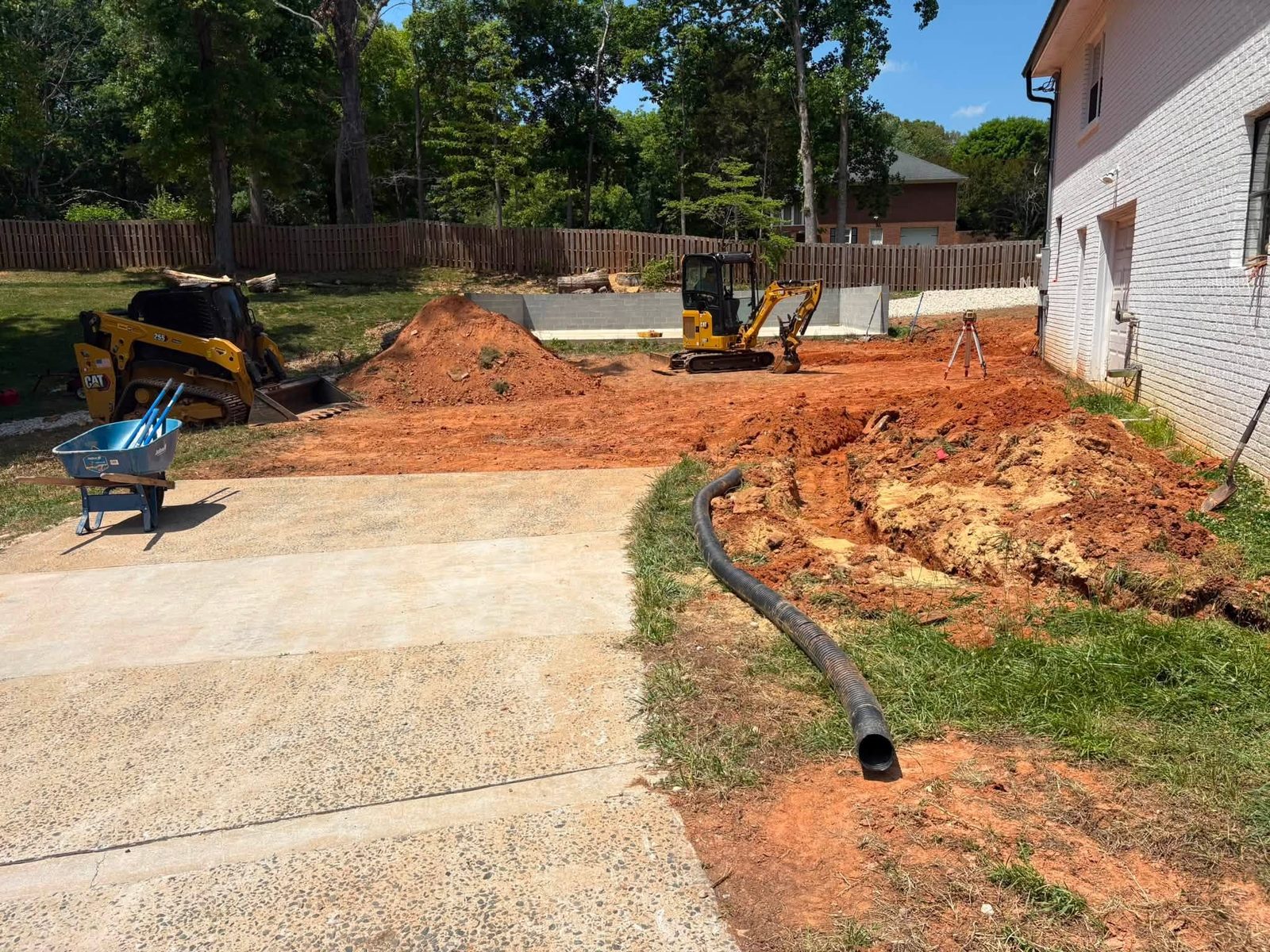
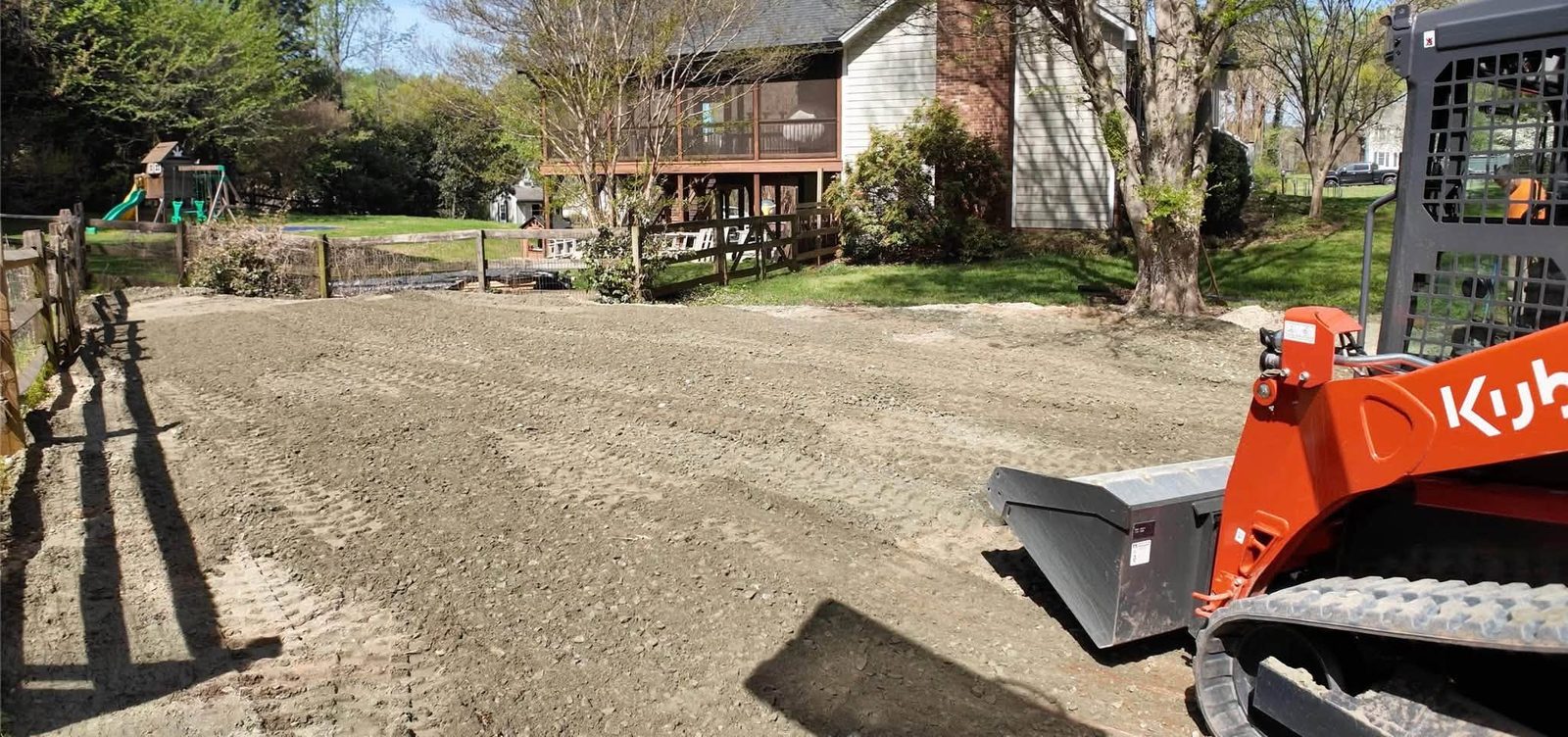
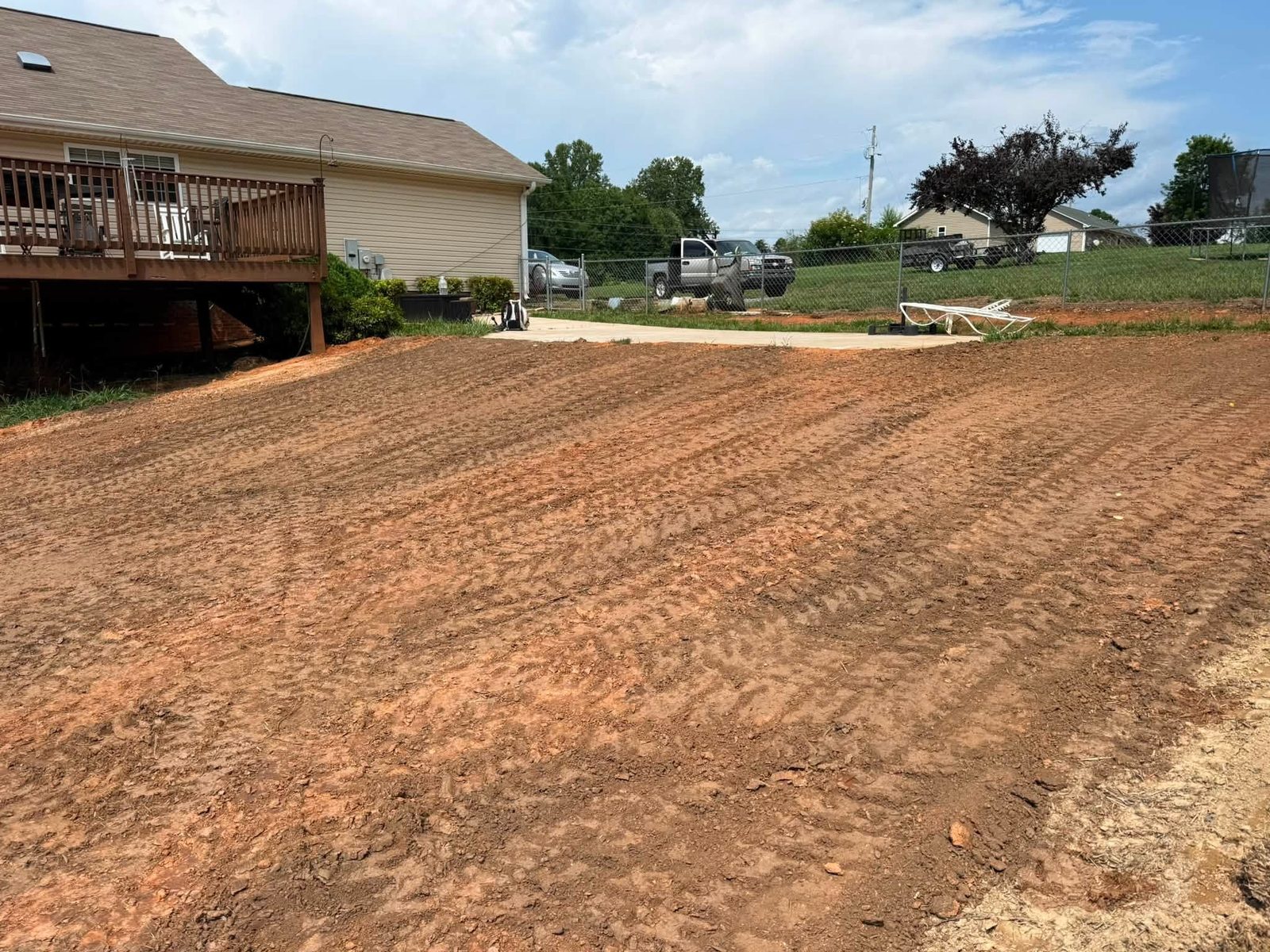
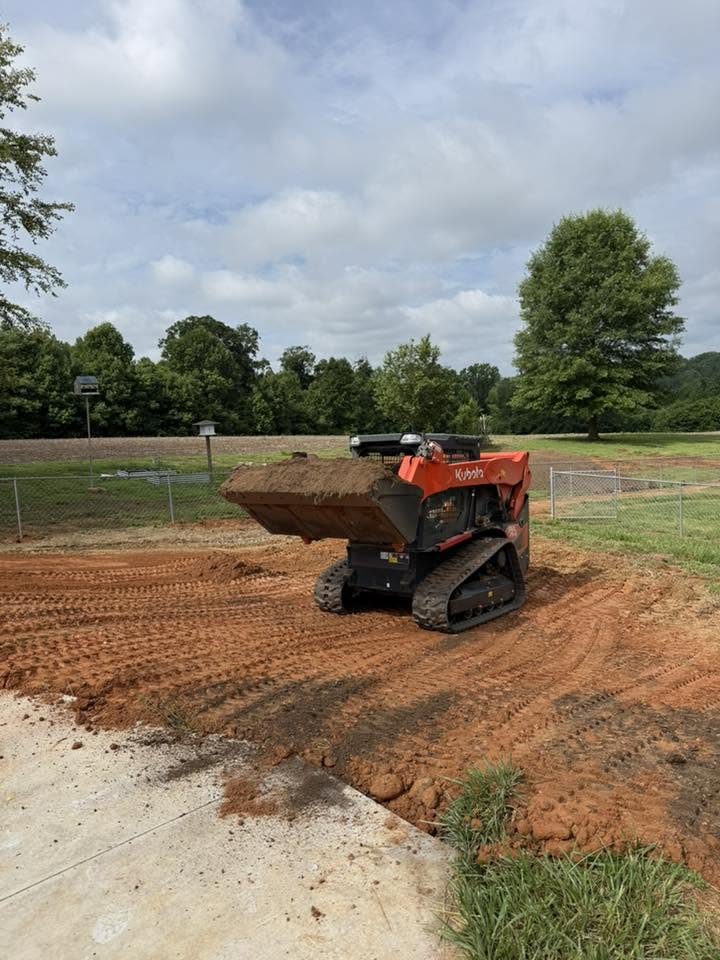
The dense red clay that underlies most of Forsyth County is the first variable in any fill dirt job here. It supports grade reliably when left undisturbed but drains poorly and moves with moisture over seasons. Any material you bring in either works with that soil behavior or against it, and that distinction shapes both what you should order and what you should pay for it. The ranges below cover delivery to a residential or light-commercial site; spreading and compaction are separate line items.
| Scope of work | Typical Forsyth County range | What moves the number |
|---|---|---|
| Single load — general fill dirt, delivered (10–14 yds) | $150 – $280 | Haul distance, supplier availability |
| Single load — screened or select structural fill | $250 – $380 | Gradation specification, stock on hand |
| Multi-load project (5+ loads) | $175 – $350 per load | Volume, scheduling flexibility, haul route |
| Certified engineered fill, documented source | $300 – $450 per load | Source documentation, certification, testing |
These are working ranges for planning, not quotes. A job requiring engineered compaction — a commercial pad, a road subbase, anything under a structural slab — belongs in a conversation with a licensed grading contractor before material is ordered. Our fill dirt and hauling guide covers the boundary between delivery-only work and full-service site preparation.
Why Forsyth County clay makes material type the real decision
When fill is placed on top of Forsyth County's native Piedmont clay, the interface between the two materials becomes a water collection zone. Rainfall soaks into the fill layer and stalls when it meets the denser, less permeable clay below. That trapped water softens fill over time, migrates laterally under pressure, and can work against any foundation wall or structural element at or below grade. A fill job that looks correct on delivery day can fail over the course of one wet season.
The county's weather record makes this more than a theoretical concern. Forsyth County has accumulated 22 federally declared disaster events across 1977-2026, with significant contributions from severe weather and flooding — reflecting the pattern of heavy rainfall that periodically saturates soils across the Piedmont. A fill project that does not account for what happens to water at the soil interface is solving half of a two-part problem.
The right specification for most Forsyth County fill applications is coarse-grained structural fill, free of organic material, that allows water to drain through rather than pool at the clay boundary. Fine-grained or silty fill that closely mimics native clay compacts unevenly and holds moisture the same way the soil beneath it does. If your project involves correcting a drainage problem rather than simply adding volume, review the full scope with our grading cost guide before ordering material — the fix order matters as much as the material choice.
Haul distance and how the Triad supply picture affects your price
Winston-Salem's position in the central Piedmont Triad puts it within reach of quarry operations and land-clearing projects that generate clean fill material across the region. That density of supply sources keeps Forsyth County's delivered prices from climbing to the levels common in rural counties where suppliers are sparse and haul legs stretch long. It also means multiple suppliers are often competing for the same work, an advantage for buyers who take the time to get more than one quote.
Within Forsyth County, however, distance to a specific site still moves the number. Lots near major corridors see shorter, simpler haul paths than properties on the county's rural edges, and a supplier based closer to your site will price the delivery differently than one operating from across the metro. When you request quotes, provide your full site address rather than the city name alone — that detail changes the delivered price more than most buyers expect, and it keeps bids comparable when you are evaluating more than one.
For larger projects where volume and scheduling both factor into cost, fill delivery logistics connect directly to your broader site work plan. Staging loads to match your grading pace reduces equipment wait time and total project cost. Build that coordination into your site prep cost planning from the start rather than treating it as an afterthought once the first load has dropped.
Permits and erosion rules for fill work in Forsyth County
Fill dirt delivery often looks like a simple purchase, but once a project disturbs enough land area it enters regulated territory. North Carolina's land-disturbing activity threshold, enforced by the NC DEQ Erosion and Sediment Control program, requires an approved erosion and sedimentation control plan for projects disturbing one acre or more. Most residential fill jobs fall below that line, but local ordinances in Forsyth County can set tighter thresholds than the state minimum, and a grading project that accompanies the fill delivery may cross that line even when the fill quantity alone would not. Check with Forsyth County Development Services before assuming a significant fill project is permit-free.
Commercial and larger residential projects face an additional federal layer. The U.S. EPA's NPDES Construction General Permit applies to land disturbance of one acre or more, requiring a stormwater pollution prevention plan, operator certification, and documented site inspections. A grading contractor who routinely pulls permits in Forsyth County will know where your project sits relative to these thresholds and what each one triggers — that working knowledge is part of what qualified contractors bring beyond equipment and labor.
For fill work near streams, mapped wetlands, or Special Flood Hazard Areas in Forsyth County, additional state and federal review may apply. The FEMA Flood Map Service Center shows whether your parcel intersects a designated flood zone — a useful check before any significant grade change near a natural drainage feature.
Getting your fill dirt quote right before material arrives
Three things separate a quote that protects your project from one that sets up a surprise after delivery:
- Material type in writing. Fill dirt covers a wide range of soil quality and gradation. A quote that names what is arriving — clean structural fill, screened fill, general fill — gives you something to hold the supplier to when the truck shows up. If the description is vague, ask for clarification before signing.
- Delivery point versus spread and compact. Standard fill dirt pricing covers material delivered to a designated spot on your site. Moving it into place, rough-grading it level, and running compaction passes are separate work requiring separate equipment. Confirm what is and is not included on every quote you compare.
- Load count versus total yardage. Quote your project in cubic yards first, then divide by the per-truck yardage your supplier confirms — typically 10 to 14 yards per tandem-axle load — to arrive at a load count. Knowing both numbers protects you if deliveries run short of what was agreed.
If your fill project involves grading, drainage correction, or any load-bearing purpose, a site visit from a licensed contractor before ordering material is the right first step. The fill dirt and hauling page covers what the full-service version of this work looks like and when a simple delivery order becomes a grading contract.