Piedmont clay is the story in Forsyth County
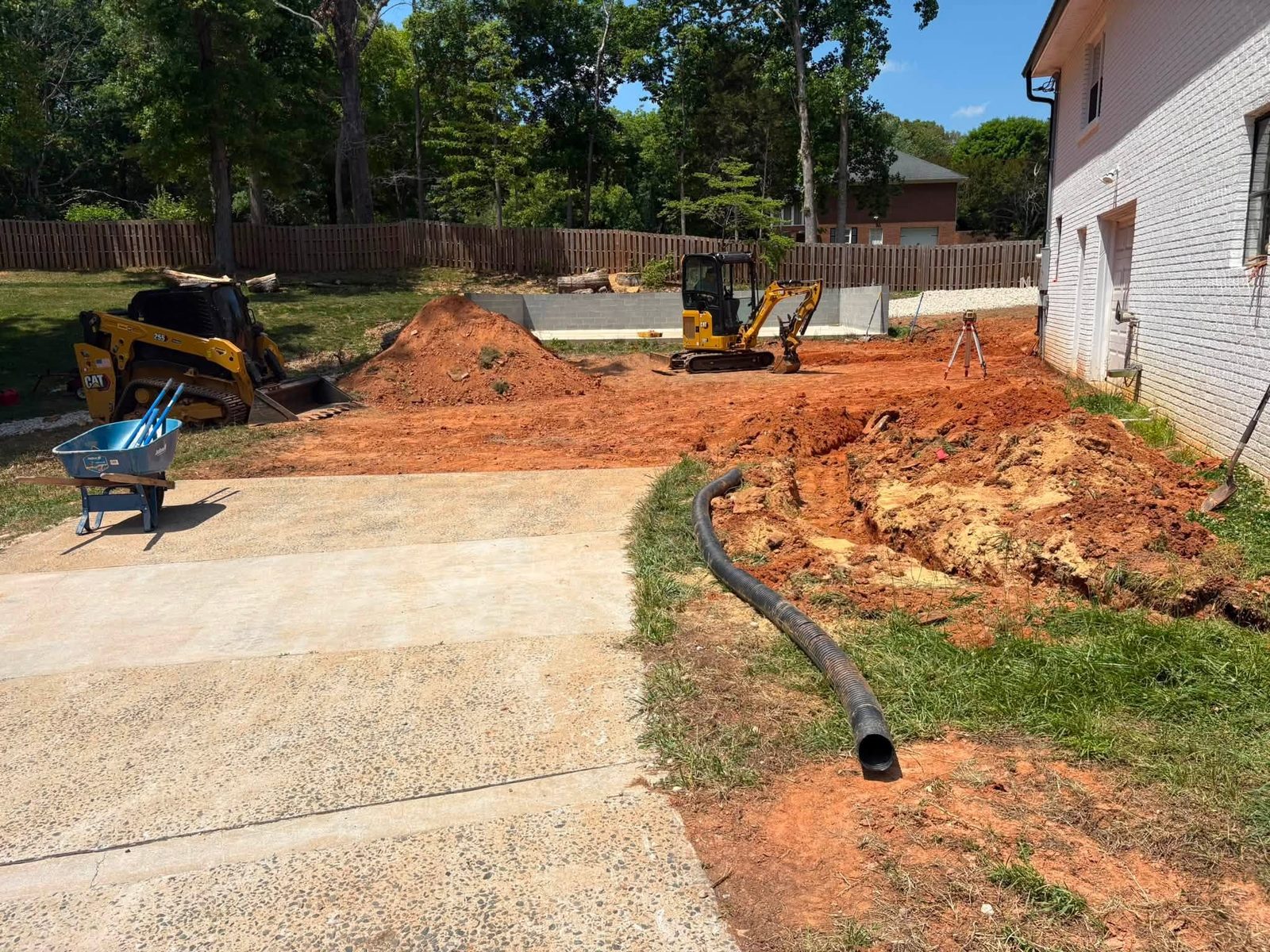
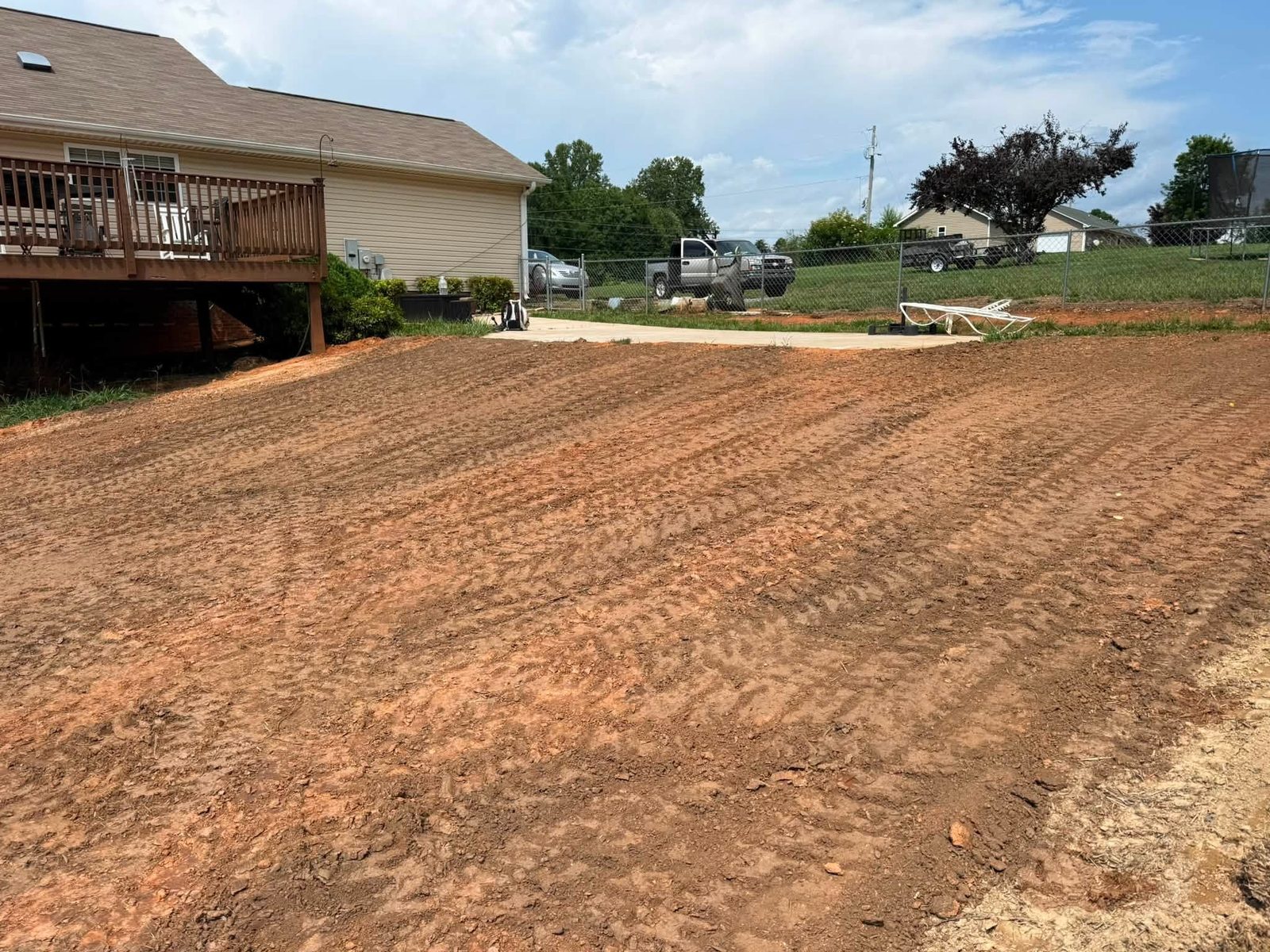
Winston-Salem sits on the dense red clay belt that runs through the central Piedmont. Unlike sandy coastal soils that drain downward, or mountain lots where gravity and slope carry water away, Forsyth County clay sheds surface and subsurface water sideways. A yard that floods after a two-inch rain is not always a grading problem. Often the water originated two or three properties uphill and traveled laterally through a clay lens before surfacing near your foundation or fence line.
That distinction shapes every French drain job in this market. A drain designed only to collect surface pooling misses the lateral subsurface flow entirely, and the system will appear to work until the next wet winter proves otherwise. The better diagnostic starts with a site read during or just after rain, not a tape measure on a dry day. Watch where water sheets across the lawn, where it enters from the side rather than falling from above, and where it first appears after the rain stops.
The same clay that creates drainage problems also limits downward percolation, which makes outlet placement critical. Water collected by a French drain has to go somewhere: a street curb, an existing storm drain tie-in, a drainage easement, or daylight at the lot's low edge. In dense residential neighborhoods, that outlet point is often the hardest part of the design.
What drainage work costs in Winston-Salem
The table below covers common project types in Forsyth County. Prices reflect the labor and material reality of this market; clay soil adds excavation time compared to loam or sandy sites, so quotes calibrated to other regions may run low as a starting point. See the full French drain cost breakdown for line-item detail on materials, labor, and outlet types.
| Scope | Typical Range |
|---|---|
| Short French drain run (up to 50 ft) | $3,000 – $5,500 |
| Mid-length French drain (50–100 ft) | $5,000 – $9,000 |
| Full yard drainage system (multiple runs and outlets) | $7,500 – $12,000 |
| Catch basin addition to existing drainage | $2,500 – $5,000 |
| Downspout tie-in with short pipe run | $1,500 – $3,500 |
| Whole-yard regrading | Starting around $15,000 |
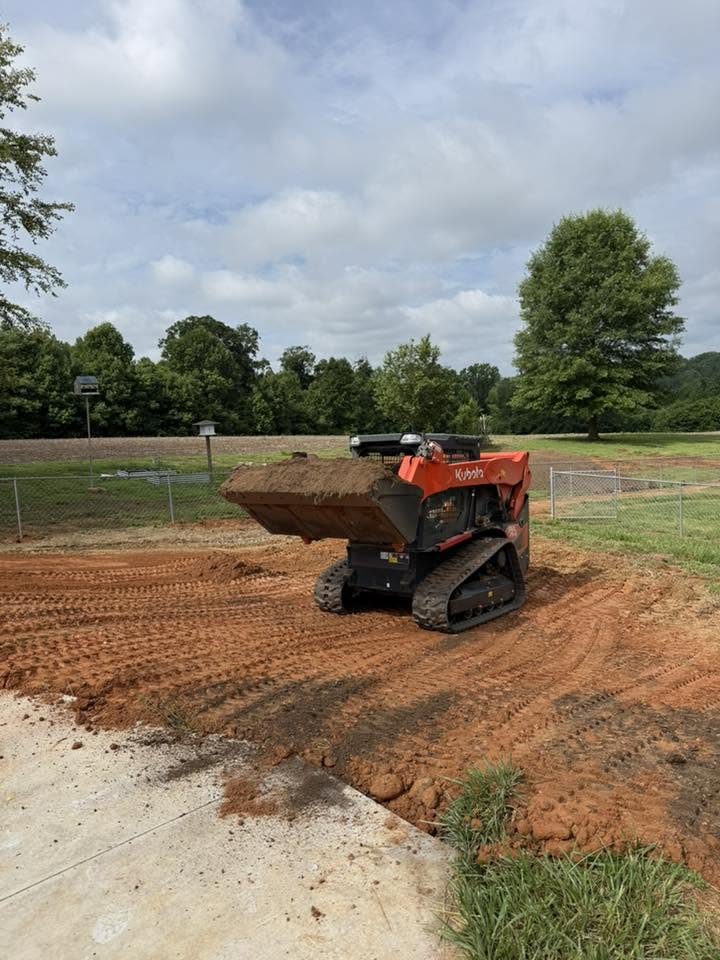
Slope and outlet access are the main price movers on any given lot. A job where the outlet connects to a street curb or an existing storm pipe costs less to execute than one requiring a long run to daylight at the rear property line. Wooded lots in older Winston-Salem neighborhoods add root management and equipment access time that open subdivision lots do not demand.
Permits, grading rules, and what triggers a review
Most residential French drain installations in Forsyth County fall below the threshold that triggers a formal erosion and sediment control plan, but that threshold matters. Under the NC DEQ Erosion and Sediment Control program, land-disturbing activity that crosses one acre requires a plan and permit. A residential drain rarely approaches that footprint on its own, but a combined project that includes regrading, retaining walls, and drainage infrastructure can add up quickly.
The International Residential Code, adopted statewide and enforced locally, sets minimum grading slopes away from foundations. The ICC's IRC grading provisions require ground to slope away from the building at a minimum of six inches over ten feet. A French drain that redirects collected water toward a foundation rather than away from it creates a code compliance problem on top of a drainage problem. Good design routes water to a safe outlet before any trench is dug.
Forsyth County Planning and Inspections is the local contact for grading-related permits. Projects involving retaining walls or significant grade changes alongside drainage work are worth a call before breaking ground.
Reading the water before committing to a fix
Forsyth County has recorded 22 federal disaster declarations over its history (1977-2026), most in the storm and flood category. That record documents a pattern: rainfall events in this part of the Piedmont routinely exceed what neighborhood grading from the subdivision era was designed to handle. Many Winston-Salem drainage calls trace back not to a failed system but to a system that was built for smaller storms than the ones now arriving.
Before any trench opens, a competent drainage contractor reads where water originates and where it can safely discharge. The standing water diagnostic guide covers the questions to answer on that first visit, including whether the problem is a drainage issue, a grading issue, or a combination of both. Rushing to install a French drain without answering those questions is how yards end up with a drain that works for one rain event and fails for the next.
How Winston-Salem's housing stock shapes the drainage job
Winston-Salem's residential neighborhoods were built across a wide span of decades, and each era left a different drainage legacy. Older neighborhoods like Ardmore, Buena Vista, and the West End feature homes on smaller lots with mature tree canopies, limited equipment access, and decades of settled clay that has compacted further with each wet season. Drain installation in these areas often requires hand work and root management that open subdivision lots do not demand.
Mid-century ranch homes on the east and south sides of the city frequently sit on lots that were graded once at construction and never revisited. When the original positive grade away from the foundation settles or erodes, water that once ran toward the street now runs back toward the structure. This is a common call in the Winston-Salem market, and the fix typically combines regrading near the foundation with a French drain to intercept what grading alone cannot redirect.
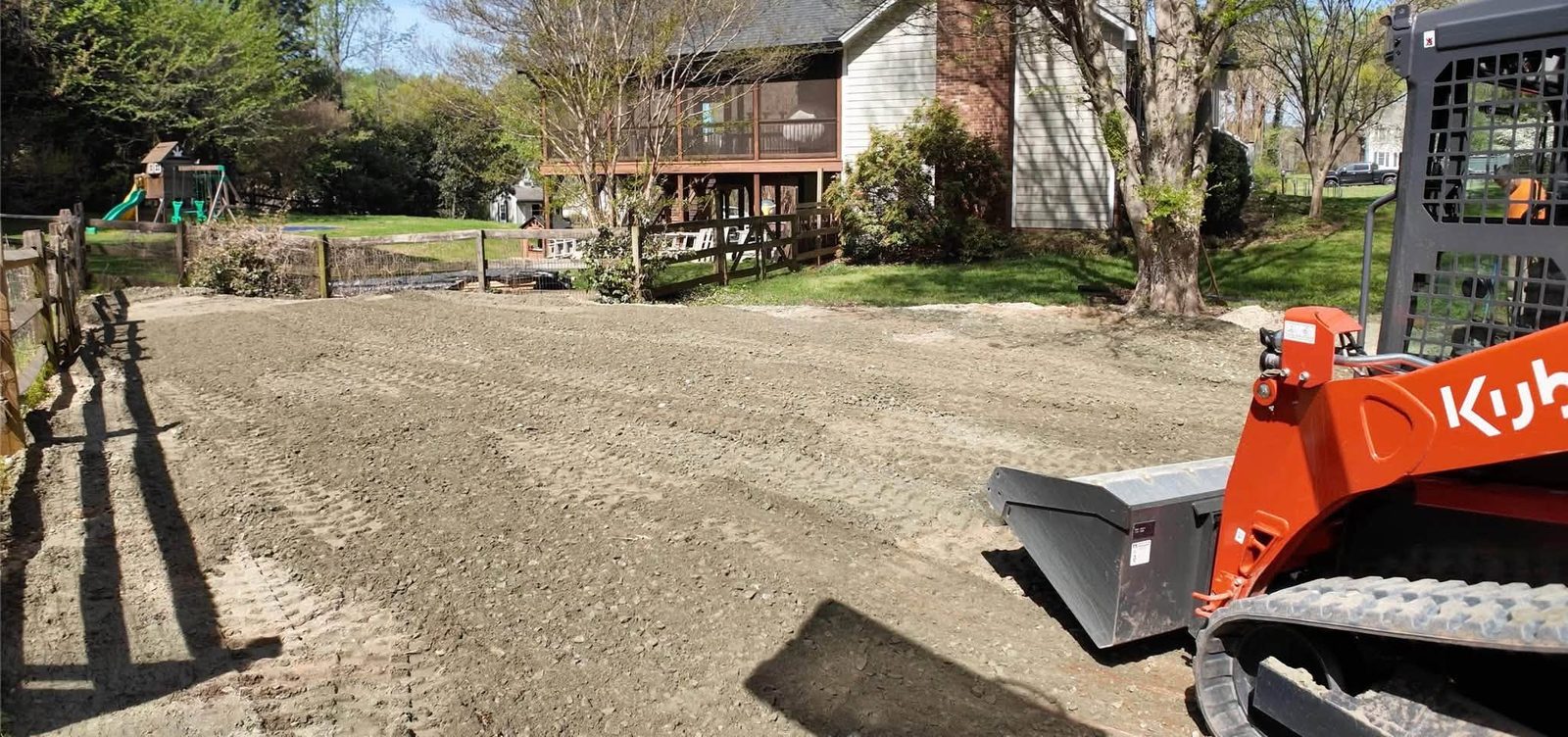
Newer subdivisions on the outer edges of Forsyth County were built on clay subgrade beneath thin topsoil amendments. Once that topsoil layer compacts under foot and equipment traffic, drainage performance drops sharply. A French drain in these areas often works alongside a surface swale or dry creek bed to handle the volume a single perforated pipe cannot manage on its own.
Hiring a drainage contractor in Forsyth County
Three Forsyth County-specific questions worth asking any drainage contractor: whether they have worked with Piedmont clay specifically, not just drainage work in general; how they identify and protect the outlet point; and whether their proposal accounts for runoff from adjacent properties. A quote that treats your lot as an isolated system will undersize the solution.
For projects involving significant grading or structural drainage components, North Carolina requires engineering work to meet applicable licensing standards. The NC Department of Insurance building codes guidance and your local permit office can clarify thresholds before work begins. The complete French drain installation guide covers what a proper site assessment includes and the questions worth asking before signing a contract.
Workmanship matters most at two points: how the aggregate is graded around the perforated pipe, and how the outlet is terminated. Both fail quietly. The first causes the drain to clog within a few years; the second pushes collected water toward the next property or back-floods the system during heavy rain. Ask any contractor to walk through both details before work begins.