Bigger lots, denser canopy, red clay under everything
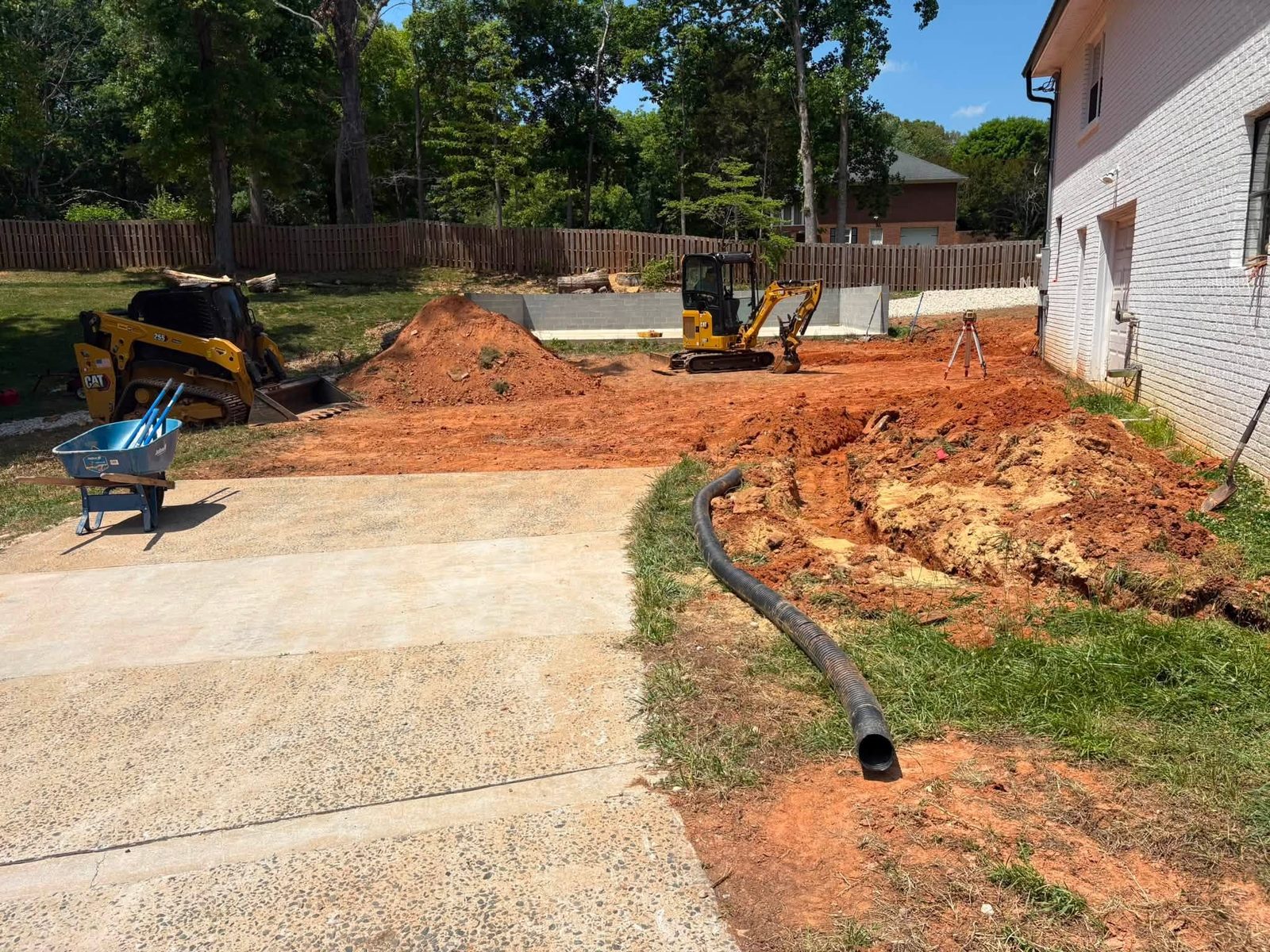
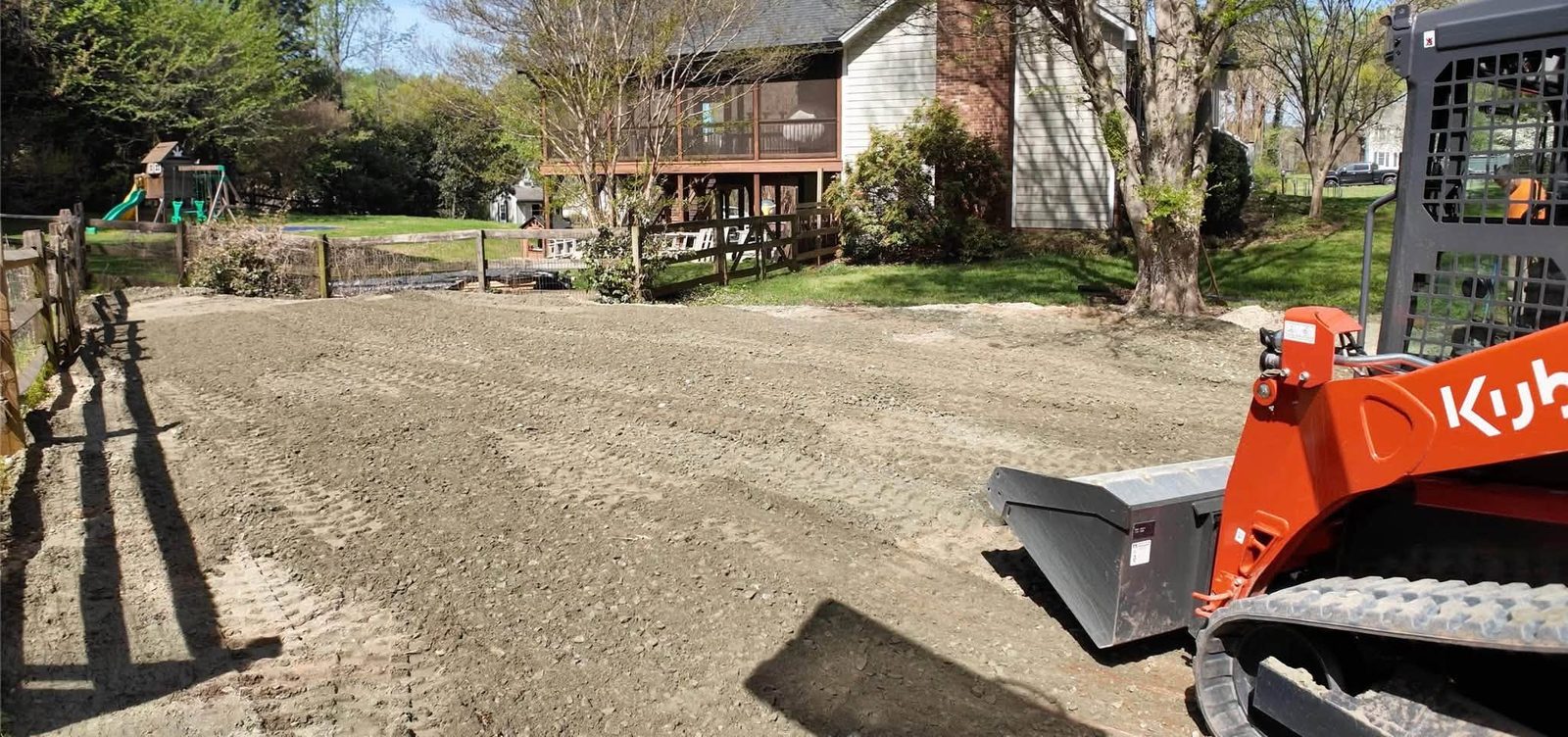
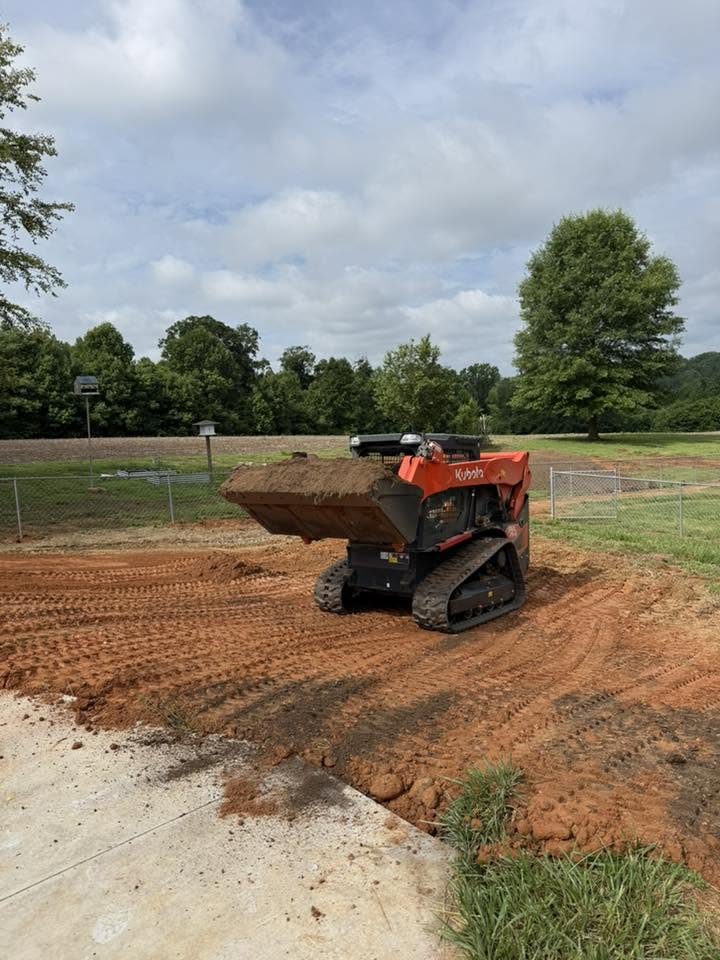
Rural Hall sits at the northern edge of Forsyth County where Winston-Salem's suburbs give way to actual countryside. Lots here tend to run larger than typical city parcels — half-acre to several-acre tracts are common — and many carry tree cover that hasn't been touched since the land was timber or farmland. That combination means clearing jobs regularly involve mature loblolly pine, mixed hardwoods, heavy understory, and the dense red Piedmont clay that holds moisture and doesn't give up stumps easily.
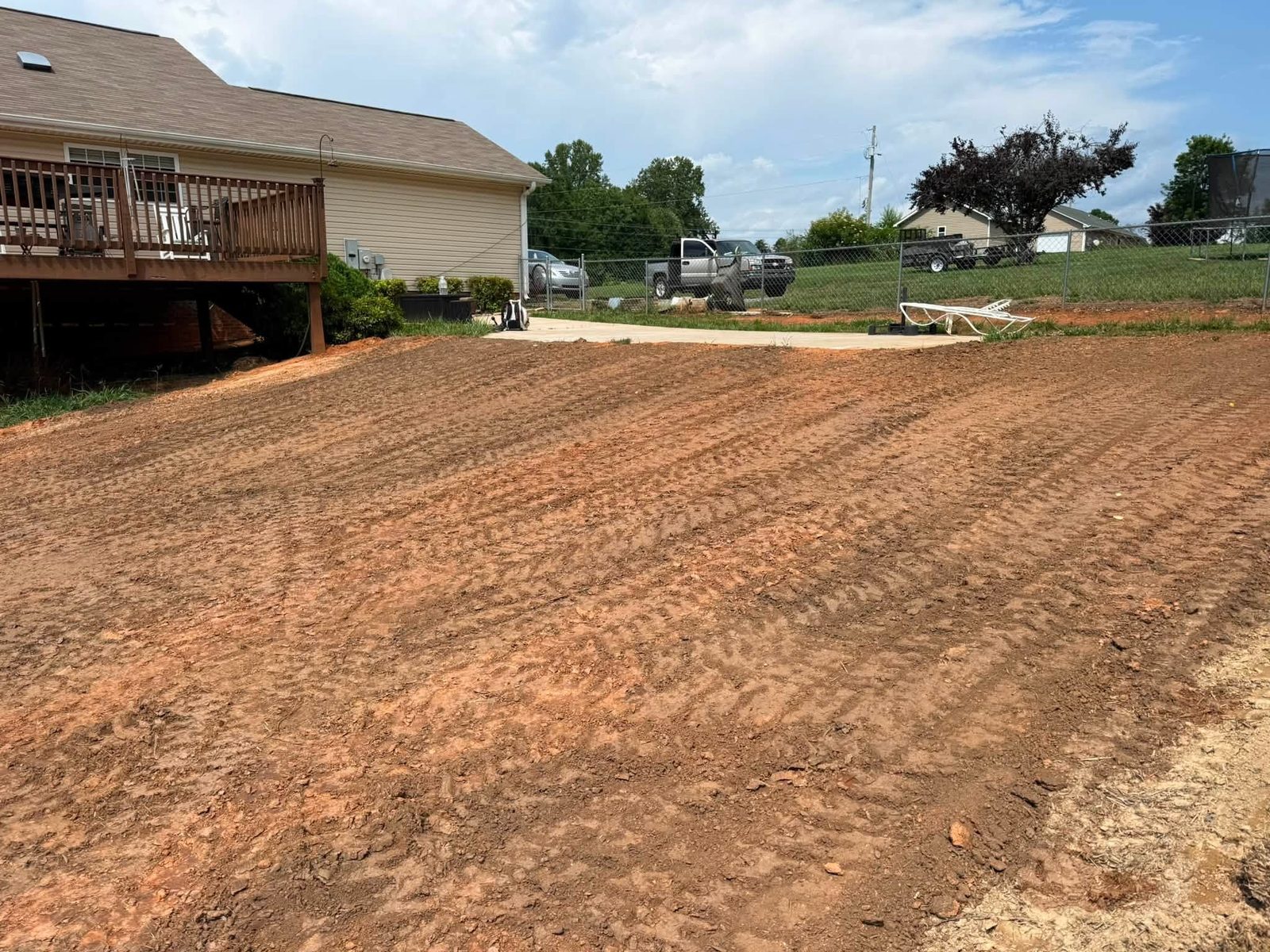
That baseline changes the job scope in two consistent ways. First, stump work is rarely optional: rural tracts and older suburban lots that were once wooded farmland tend to have large-diameter hardwood stumps that add meaningfully to time and cost. Second, red clay erodes fast once ground cover is removed, and even a modest residential clearing can trigger erosion and sediment control requirements once the disturbed area crosses the regulatory threshold. A bid that omits erosion controls or stump line items isn't a deal — it is an incomplete scope. For a full look at how clearing work breaks down by type, the land clearing overview covers the scope categories that apply across Forsyth County.
What clearing costs around Rural Hall
The numbers below reflect typical ranges for Forsyth County residential lots and wooded acreage. For a full line-item breakdown of what drives each figure, see the land clearing cost guide.
| Scope | Typical Price Range |
|---|---|
| Light brush and understory only | $750 – $1,800 |
| Brush plus scattered trees, stumps left | $1,200 – $3,000 |
| Full residential lot clearing, stumps included | $2,000 – $5,000 |
| Clearing plus rough grading | $3,500 – $8,000 |
| Heavily wooded multi-acre tract | $6,000 – $10,000+ |
Red clay and stump density are the biggest price movers in this area. A lot with a dozen mature oaks will cost more to clear than the same square footage of scrub pine and brushy undergrowth — hardwood stumps with extensive root systems take longer and cause more wear on grinding equipment. Jobs that push toward the upper end of each range typically involve large-diameter stumps, difficult equipment access on irregular terrain, or a grading pass that follows clearing.
Permits, erosion rules, and when they apply in Forsyth County
North Carolina's state-level threshold for mandatory erosion and sediment control permits is one disturbed acre, but local ordinances in Forsyth County and the city of Winston-Salem can set lower thresholds for projects near streams or sensitive drainage areas. If your clearing connects to any grading or construction — even a residential home site — expect an erosion control plan as part of the permit package before work begins.
Forsyth County carries 22 federal disaster declarations on record spanning 1977-2026, most of them tied to storms and flooding. That history reflects what bare, cleared land does when rain hits red clay without any stabilization in place. Rural Hall's position near tributaries that drain into the Yadkin River basin makes stormwater management more than a regulatory checkbox — a rain event on a freshly cleared lot without silt fencing can push sediment a long way downstream.
The NC DEQ Erosion and Sediment Control program governs the state framework; Forsyth County enforces it locally through its land development review process. Projects that disturb enough area and discharge to a waterway may also fall under federal NPDES stormwater permit requirements under EPA rules. Pulling the permit is almost always cheaper than managing a stop-work order or sediment remediation requirement after the fact.
Forestry mulching on Rural Hall's wooded lots
Conventional clearing — felling, skidding logs out, and hauling debris — leaves bare soil that needs immediate stabilization. Forestry mulching processes trees and brush in place, leaving a layer of wood chip that holds soil, suppresses regrowth, and eliminates a separate haul run. On Rural Hall's larger lots with significant understory, mulching is often the better fit: less ground disturbance, no large equipment access issues on irregular terrain, and a finished surface ready for seeding or grading without an intermediate erosion window.
Mulching costs more per operating hour than conventional brushing but often costs less per job when haul-away is factored out. It works well for lots that will only be partially cleared — opening a build pad while maintaining a wooded buffer on the rear of the property, for example. Where stumps need to come out and the area will be graded flat, conventional clearing followed by a separate grinding pass is usually the right sequence and will still price within the ranges in the table above.
What to ask a clearing crew before they start
Three questions worth asking on any Rural Hall clearing job: Does the crew have direct experience on Piedmont red-clay lots, or are they used to the sandier soils of eastern North Carolina? What is their specific plan for stump disposal — grinding in place, pull-and-haul, or leaving the root plate? And are erosion controls included in the bid, or will they be quoted separately?
On larger jobs approaching an acre, confirm whether a site plan or erosion control permit is required before clearing begins. Forsyth County's development review process handles local permitting; the state process flows through NC DEQ. A contractor who coordinates permit submission as part of their scope is worth the premium over one who hands you the paperwork and starts the clock regardless.
For a complete look at how clearing bids are structured and which line items to verify, the land clearing cost guide walks through every category from mobilization to final soil stabilization.