Piedmont clay and the pace of change in Advance
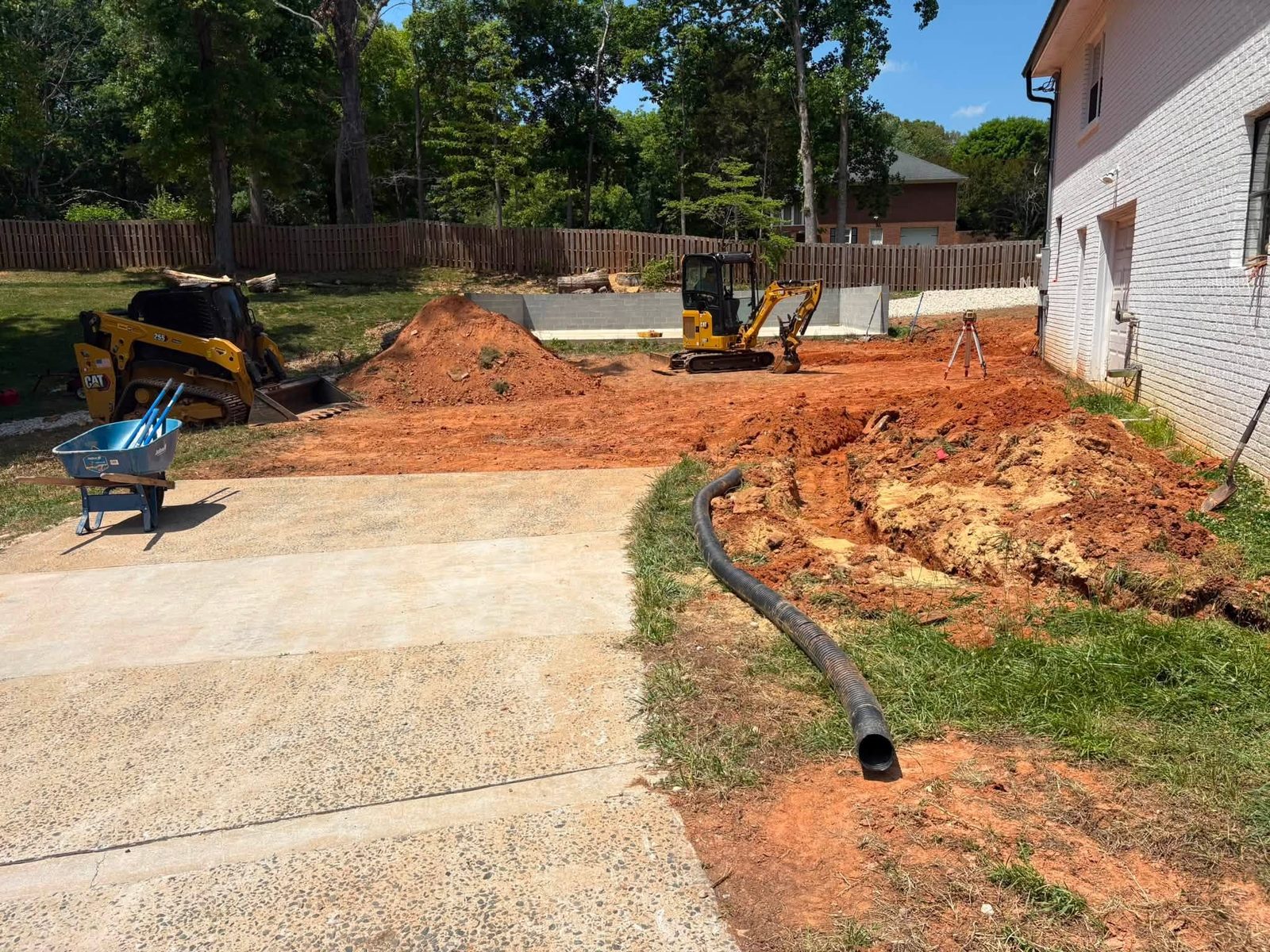
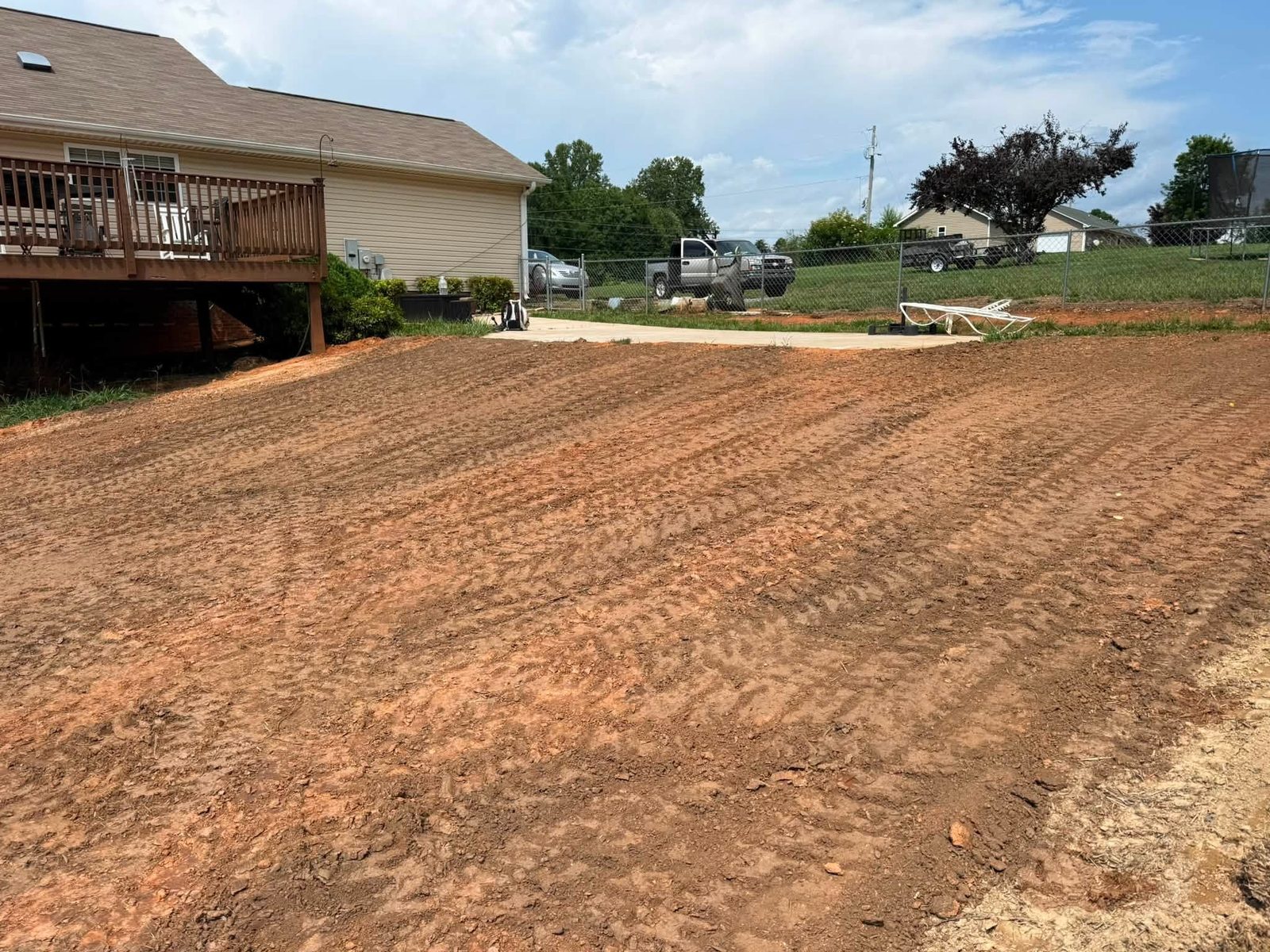
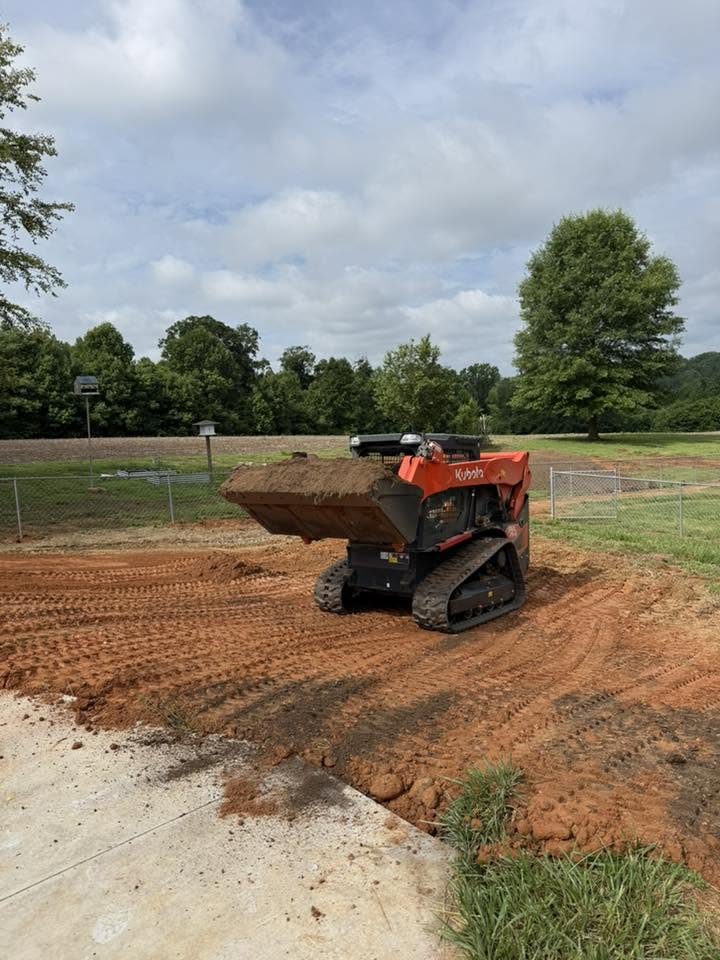
Advance sits at the soft western shoulder of Davie County, a few minutes from the Forsyth County line, where subdivision road cuts are going into land that grew tobacco and raised cattle within recent memory. That agricultural past left something every grading crew needs to reckon with: red Piedmont clay compacted by generations of equipment, animals, and seasonal freeze-thaw cycles until it behaves more like hardpan than native soil. It sheds water sideways instead of percolating, swells in a wet winter and contracts in a dry summer, and resists standard compaction equipment when it is dry. A job that quotes cleanly on topline square footage can turn into a drainage engineering problem the moment a blade hits that subgrade unprepared.
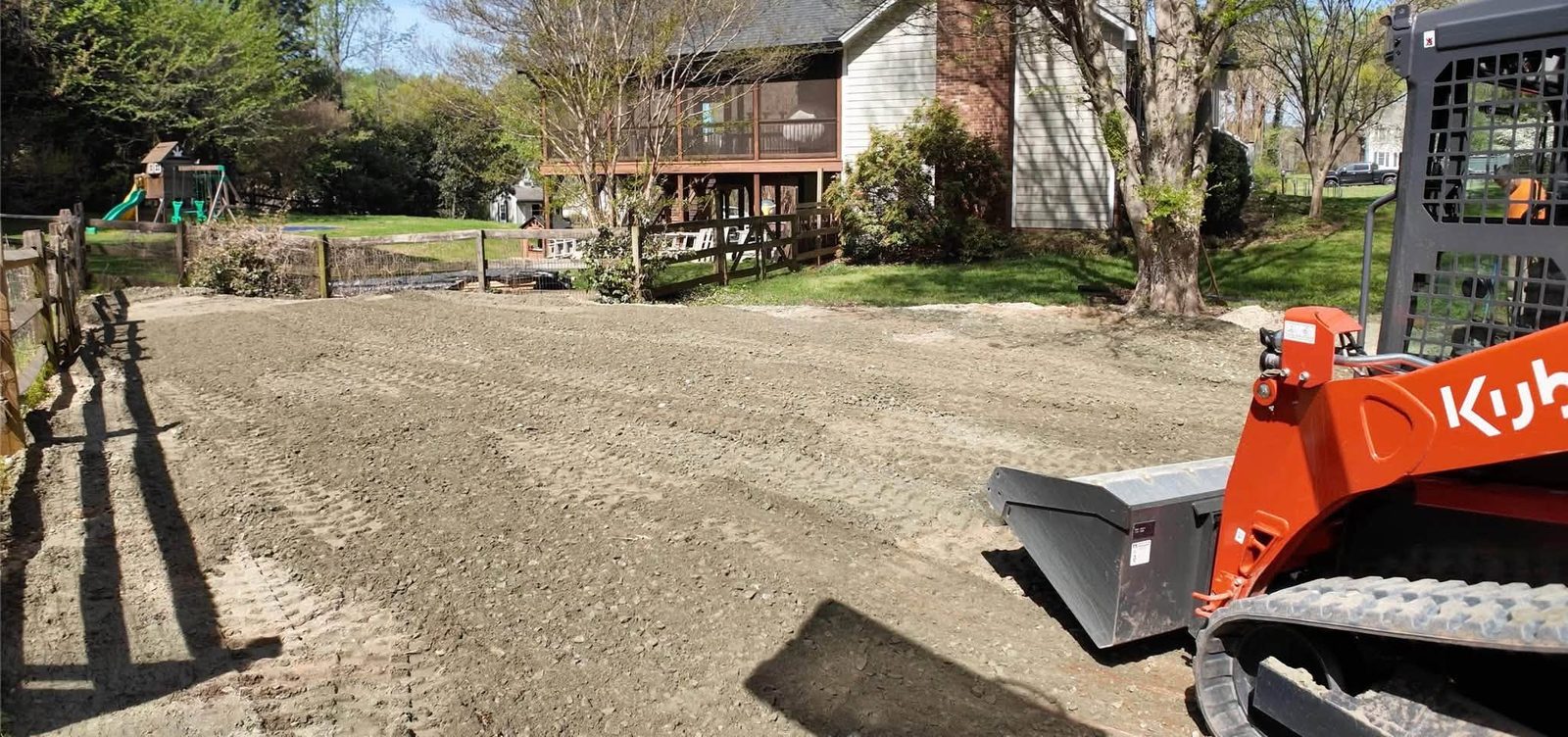
The terrain adds to the challenge. Between US-158 and the Yadkin River corridor, the ground in this part of Davie County carries enough roll and elevation change to make drainage routing a real design decision on even modest residential lots. Achieving positive grade away from a foundation on a lot that drops several feet across its width takes deliberate cut-and-fill sequencing — not a single pass with a box blade. Crews who carry flatland habits to the Advance market reliably leave standing water after the final walk-through, and standing water near a foundation is a problem that compounds every season it goes unaddressed.
This specific combination of agricultural clay compaction, variable Piedmont grade, and rapid residential buildout is exactly what makes finding the right grading contractor Advance NC homeowners can trust a more particular task than it first appears.
What grading jobs typically cost in Davie County
Price in this market is driven more by scope and soil condition than by raw lot dimensions. A small yard with compacted clay and a drainage problem can easily outprice a larger, flatter parcel that grades cleanly. The ranges below reflect current residential work in the Advance area; for a full line-item breakdown by scope type, see the grading cost guide.
| Scope | Typical range | Main cost driver |
|---|---|---|
| Rough grading, single residential lot | $1,200–$2,800 | Soil condition, cut depth |
| Drainage swale or yard regrade | $1,500–$3,500 | Run length, outlet condition |
| Pad or addition cut-and-fill | $2,500–$5,500 | Slope, fill volume, compaction spec |
| Heavy fill, large lot, or full regrade | Up to $8,000 | Haul distance, engineered fill requirement |
Jobs near an existing structure, work requiring a retaining wall, or any scope calling for engineered fill specifications carry additional line items not reflected in those ranges. See grading and excavation services for a complete breakdown of what each scope type includes and what to expect at each phase of the work.
Erosion control, the Yadkin watershed, and what state law requires
Advance sits in the Yadkin-Pee Dee River basin, which places nearly every grading project under North Carolina's erosion and sediment control framework. The NC DEQ Erosion and Sediment Control program requires an approved erosion control plan — silt fence, stabilized construction entrances, and sediment controls at all drainage outlets — on any site disturbing one acre or more. Davie County's local ordinances extend similar expectations to smaller residential disturbances, and a grading contractor who does not present a written erosion control plan before the first equipment move is leaving the property owner exposed to stop-work orders and restoration liability.
The federal storm record for this part of the state puts that requirement in practical context. Davie County has been part of 19 federally declared disasters over 1977-2026, the majority of them storm and flood events. That record reflects real cumulative water pressure on swales, drainage outlets, and structures throughout this watershed — it is the baseline a grading plan should be designed against, not an outlier scenario. Before finalizing any grading plan, confirm your parcel's flood zone designation on the FEMA Flood Map Service Center; parcels near Dutchman Creek or the lower-lying corridors closer to the Yadkin River carry different engineering expectations than upland lots farther from the river corridor.
Sites meeting the federal acreage threshold also trigger the EPA NPDES stormwater program, which requires a Notice of Intent filing before grading begins. This obligation belongs to the contractor, but the enforcement exposure belongs to the property owner — verify it is covered in any contract before signing.
Permits and code on the Davie County side
Residential grading that alters drainage patterns or disturbs substantial area in Davie County goes through county planning and inspection. The NC Department of Insurance's building codes division sets the residential standards that local enforcement follows, including requirements for positive drainage away from foundations and minimum lot grading provisions under the NC Residential Code. Retaining walls above a code height threshold and any scope that redirects drainage across a property line typically trigger additional review; work requiring an engineer's stamp needs that letter before a permit issues.
One practical detail specific to Advance: the Forsyth County line runs through this part of Davie County, and some parcels near Bermuda Run or along the US-158 corridor adjoin infrastructure that may fall under a different review process than lots farther west toward Mocksville. Knowing which county governs a given permit before engaging a contractor avoids the kind of mid-project discovery that pushes a schedule by weeks. The site preparation checklist covers jurisdiction, permit documentation, and what to request from your contractor before any ground is broken — it is a better starting point than calling the wrong permit office.
Hiring a crew in the Advance market
Residential growth around Advance and Bermuda Run has pulled in out-of-county crews chasing work — some experienced with local conditions, some not. Three questions sort the capable ones from the rest: ask whether they have pulled permits in Davie County before (the process is specific, and a crew encountering it for the first time will cost you real schedule); ask how they handle red clay subgrade that will not compact at standard moisture content (the answer tells you immediately whether they understand Piedmont soil or are guessing); and ask what their erosion control plan looks like and who maintains it through the project. A contractor who struggles with any of the three is a compliance and callback risk, not a price advantage.
References from recent work in Advance or the surrounding Davie County subdivisions are worth more than general online ratings. The soil and drainage conditions here are specific enough that local experience is a genuine differentiator — a crew that has graded ten lots in this market understands the clay behavior in ways that general Piedmont experience does not replicate. When you are ready to compare proposals, the grading and excavation page explains what a complete scope should include at each phase, and the cost guide provides the line items to check against any quote before signing.